
Quick Answer
For most fully customized tin packaging projects:
- Offset printing is the preferred method for full-color artwork, photographs, gradients, detailed graphics, and printing across multiple tin components.
- Screen printing is normally used for simple logos, text, and solid-color graphics, usually in one or two colors on a relatively flat area of an existing formed tin.
- UV printing can reproduce CMYK color and more detailed artwork than screen printing, but it is generally limited to relatively flat areas of an existing formed tin.
A quantity of approximately 3,000 pieces is a practical starting point for fully customized offset-printed tins. For quantities below approximately 1,500 pieces, screen printing or UV printing on an available stock tin may be more economical.
The final recommendation still depends on the tin size, structure, artwork, printing position, quantity, and availability of a suitable existing tin.
Comparison at a Glance
| Printing method | Typical application | Artwork capability | Suitable printing area | Typical quantity approach |
|---|---|---|---|---|
| Offset printing on tinplate | Fully customized tin packaging | CMYK, spot colors, photographs, gradients, fine details and complex graphics | Flat tinplate sheets before cutting and forming | Approximately 3,000 pieces is a practical starting point |
| Screen printing | Simple customization on existing tins | Usually one or two solid colors, simple logos and text | Relatively flat areas on formed tins | Often considered for quantities below 3,000 pieces |
| UV printing | Detailed or full-color customization on existing tins | CMYK color, logos, text and more detailed graphics | Relatively flat areas on formed tins | Often considered for smaller quantities when a suitable stock tin is available |
What Is Offset Printing for Tin Packaging?
Offset printing is the most common method for fully customized tin boxes.
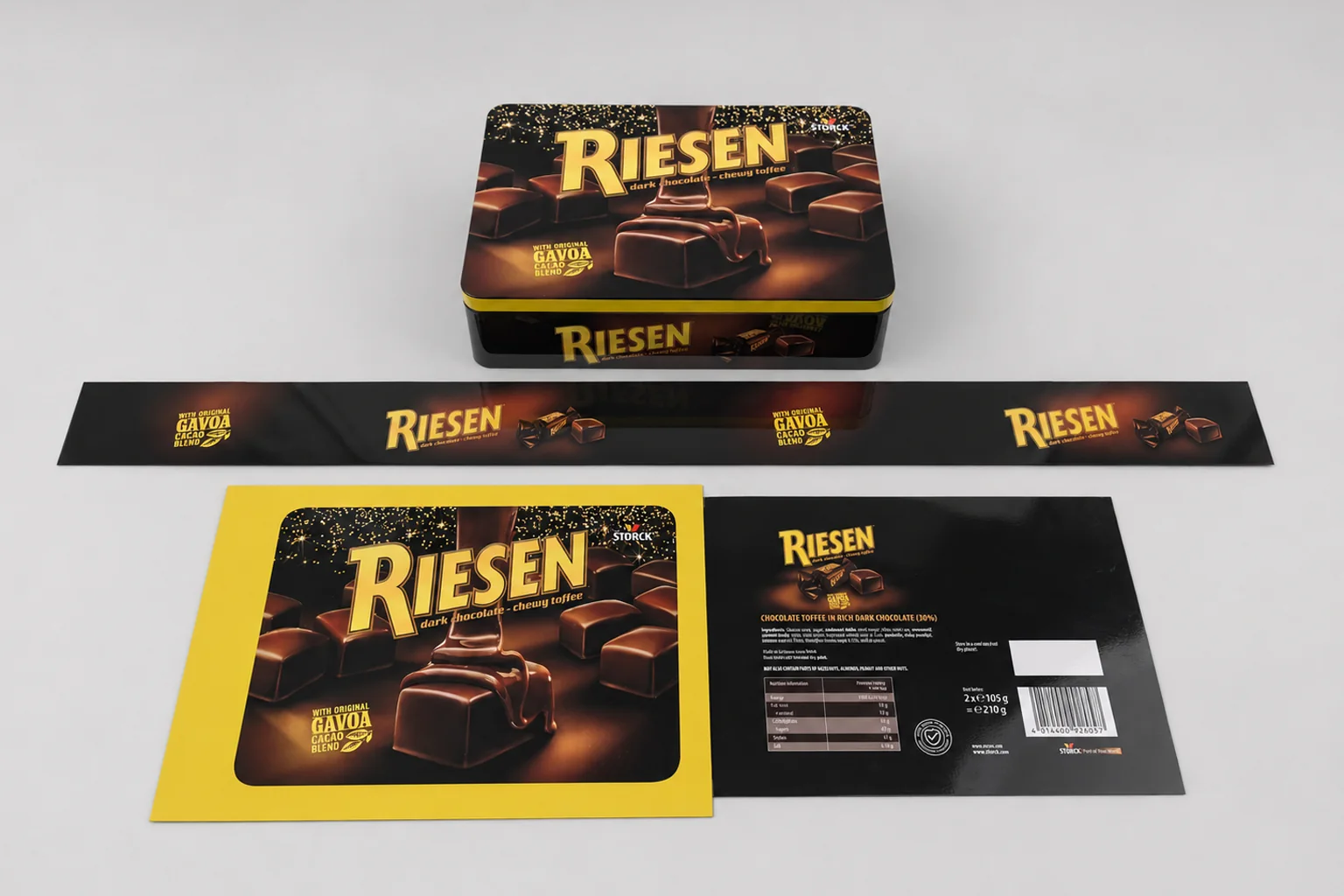
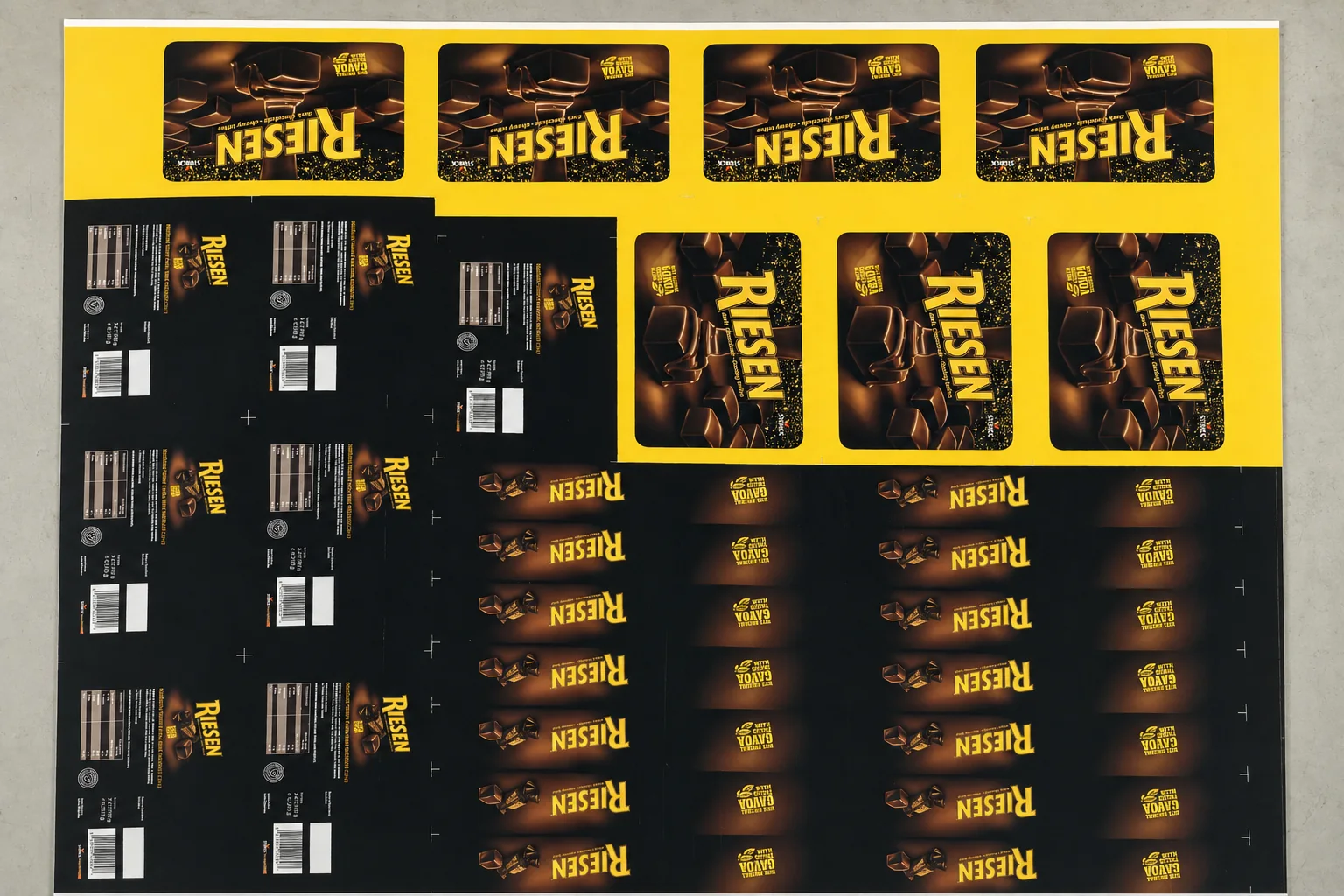
The artwork is printed onto flat tinplate sheets before the metal is cut, stamped, formed, assembled, and packed. This allows the printed design to be positioned across the lid, body, base, and other components according to the structural drawing.
A typical offset printing system may include:
- A white base coat or white ink
- CMYK process colors or spot colors
- A protective gloss, matte, or special-effect varnish
After printing and curing, the sheets are cut into individual components. The printed components then move through stamping, forming, curling, seaming, and assembly.
Because printing takes place before the tin is formed, offset printing is not restricted to one small flat area on an already assembled tin.
White Base Printing and Transparent Metal Effects
A white base is commonly applied before the CMYK or spot colors are printed.
The white layer gives the artwork a neutral background and helps the printed colors appear brighter and closer to the approved design. It is especially useful for photographs, light colors, brand colors, and artwork where color accuracy is important.
However, a white base is not compulsory across the entire design.
Selected areas can be printed without white underneath, allowing the natural tinplate surface to remain visible through the ink. This is sometimes described as a transparent metal, metallic, or exposed-metal effect.
When CMYK ink is printed directly over the metal without a white base:
- The metallic surface remains visible through the printed color.
- The design gains a reflective or metallic character.
- The overall color normally appears darker than the same artwork printed over white.
- The final appearance changes with the viewing angle and reflected light.
This effect can work well for decorative packaging, but it should be considered during artwork preparation rather than treated as a direct substitute for normal white-base printing.
Gloss, Matte and Special-Effect Varnishes
Gloss and matte varnishes are the most common protective finishes used over printed tinplate.
A gloss varnish provides a brighter and more reflective appearance, while a matte varnish creates a softer, lower-gloss surface.
Other special coatings may also be available, depending on the project and printing supplier. Examples include pearl-effect varnishes and crackle-effect finishes.
The availability and final appearance of special coatings depend on factors such as:
- Artwork design
- Coating compatibility
- Tin structure
- Forming requirements
- Production quantity
- Intended product use
A special varnish should therefore be confirmed through a project-specific production review.
What Artwork Is Offset Printing Best For?
Offset printing is normally the best choice for:
- Photographs
- Gradients
- Detailed illustrations
- Complex full-color artwork
- CMYK designs
- Pantone or other spot colors
- Fine text and branding elements
- Designs covering several tin components
- Artwork that requires consistent positioning before forming
Most commercial custom tin packaging artwork can be produced through offset printing, although final results still depend on the original artwork quality, color construction, tin shape, forming position, and selected coating.
Why Does Offset Printing Usually Require a Higher Quantity?
Tinplate printing has minimum setup and production charges.
A printing run requires plate preparation, color setup, machine setup, tinplate sheets, coating, curing, inspection, and production scheduling. These costs exist even when the number of finished tins is relatively small.
For this reason, approximately 3,000 finished tins is often a practical starting quantity. At this level, printing and setup costs can be distributed across enough units to keep the cost per tin more reasonable.
A smaller quantity can sometimes be produced, but the cost per piece may increase significantly.
HYTINPACK may consider gang-run printing when the artwork, color system, coating, sheet specification, and production timing are compatible with other orders. This can reduce the amount of the printer’s minimum charge allocated to one project.
However, gang-run printing depends on actual production arrangements and cannot be guaranteed for every order.
The Difference Between Tinplate Sheets and Finished Tin Quantity
The printing supplier may require a minimum number of tinplate sheets for a production run. A typical minimum may be approximately 1,500 sheets, depending on the printing arrangement.
This does not mean that the minimum order is always 1,500 finished tins.
One tinplate sheet may contain multiple lids, bodies, bases, or other components. The number of finished tins produced from each sheet depends on:
- Tin dimensions
- Component dimensions
- Sheet layout
- Number of designs
- Printing direction
- Production allowance
- Expected printing and forming loss
The relationship between printed sheets and finished tins must therefore be calculated for each project.
In practical order planning, HYTINPACK will usually try to consider offset printing for quantities of approximately 1,500 finished tins or more if a suitable gang-run opportunity is available. Below that level, a stock tin with screen printing or UV printing is often more practical.
What Is Screen Printing on Tin Boxes?
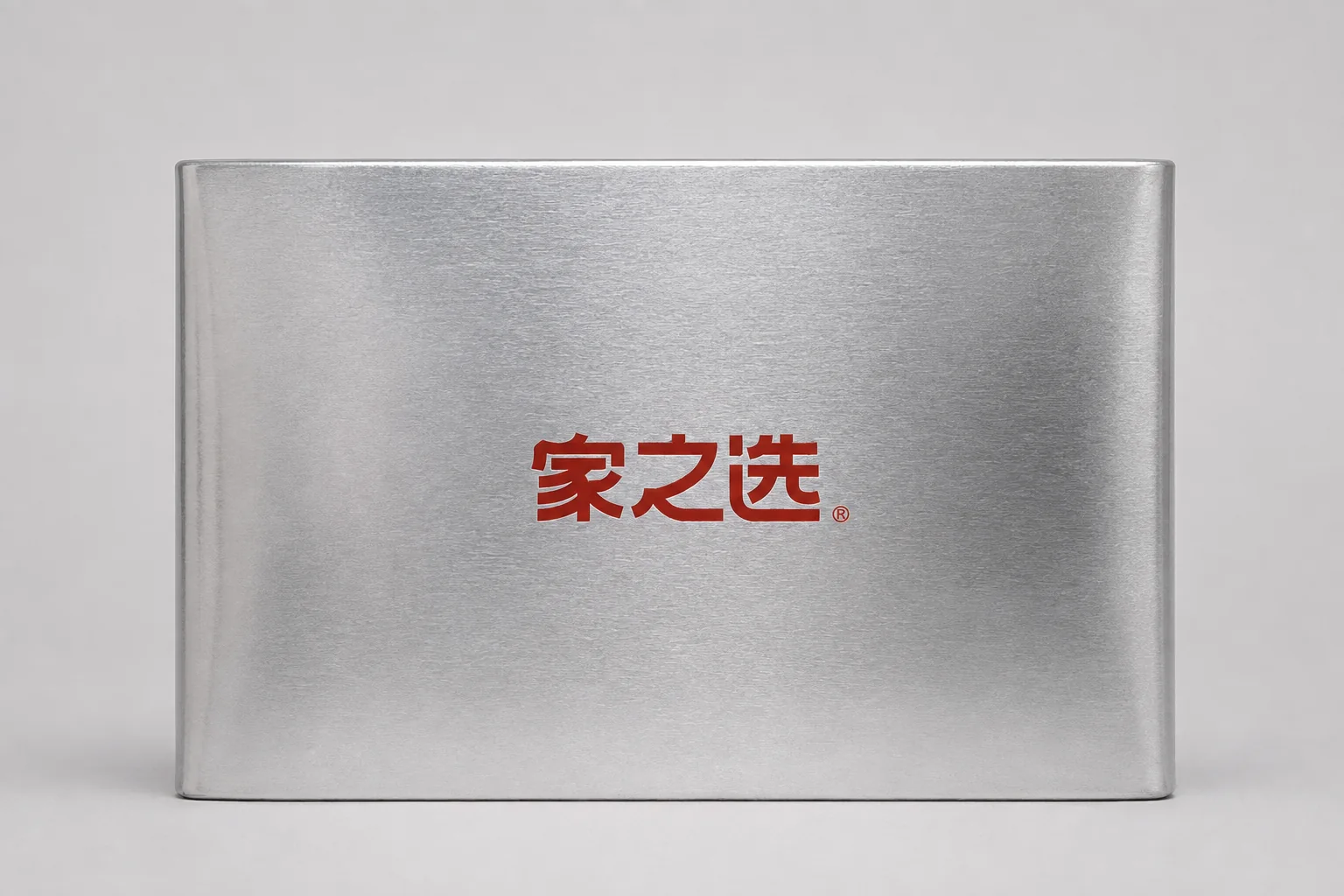
Screen printing applies ink through a prepared screen onto the required printing area.
For tin packaging projects, screen printing is generally used on an existing formed tin rather than as the primary printing method for a fully customized production run.
It is most suitable for:
- Simple logos
- Basic text
- Solid-color graphics
- Large color areas
- Artwork with limited detail
- One-color or two-color designs
Each color normally requires its own screen and printing process. As the number of colors increases, setup, registration, production time, and cost also increase. For this reason, HYTINPACK normally recommends limiting screen-printed designs to one or two colors.
Where Can Screen Printing Be Applied?
Screen printing works best on a relatively flat and accessible surface.
Typical positions may include:
- The flat top of a lid
- A flat body panel
- A suitable flat surface on an existing square or rectangular tin
It is generally not suitable for:
- Curved sidewalls
- Deeply embossed areas
- Stepped surfaces
- Sharp edges
- Areas with substantial height differences
- Complex formed details
The exact printable area must be reviewed against the actual tin structure and screen-printing equipment.
Very fine lines, small text, complex gradients, and photographic details may not reproduce as clearly as they would through offset printing.
When Is Screen Printing a Practical Choice?
Screen printing may be practical when:
- The required quantity is below the economical level for offset printing.
- A suitable stock tin already exists.
- The artwork is simple.
- The design uses one or two colors.
- The logo or text can be placed on a sufficiently flat area.
- Full-surface customization is not required.
Using an existing formed tin avoids a separate full offset-printing run and its associated minimum charges.
However, screen printing does not turn a stock tin into the equivalent of a fully offset-printed custom tin. The base color, structure, coating, and unprinted areas still come from the selected existing tin.
What Is UV Printing on Tin Boxes?
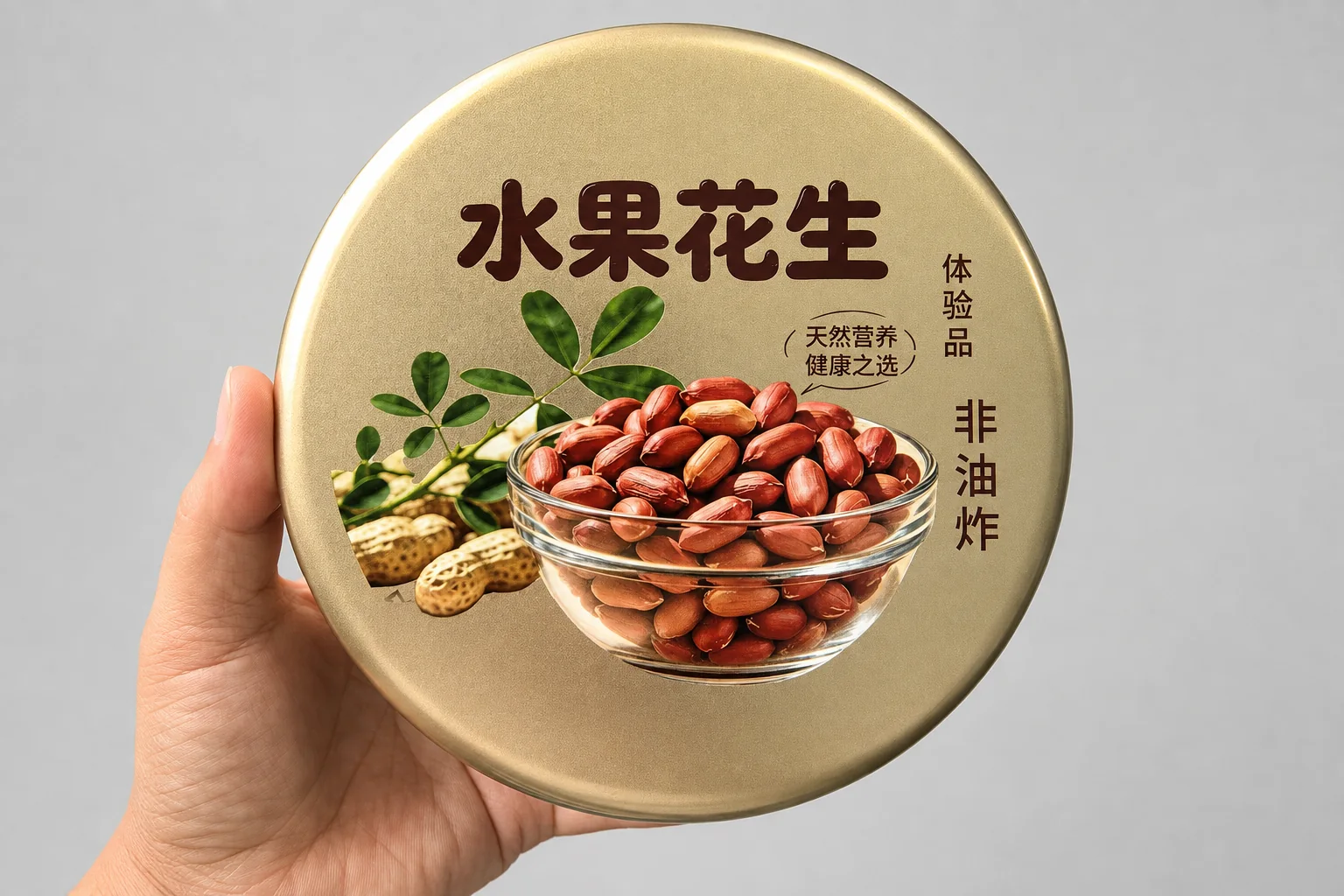
In this guide, UV printing refers to direct printing with UV-curable ink onto an existing formed tin.
The ink is applied to the surface and cured using ultraviolet light. This method can reproduce CMYK colors and more detailed artwork than conventional one- or two-color screen printing.
UV printing may be suitable for:
- Multicolor logos
- Detailed graphics
- CMYK artwork
- Text and branding elements
- Shorter production runs
- Customization of suitable stock tins
Its visual result can approach offset printing for certain artwork, but the two processes are not identical.
Offset printing is carried out on flat tinplate before forming and can cover components according to the structural layout. UV printing is normally applied after the tin has already been formed and is therefore restricted by the physical shape of the finished tin.
Where Can UV Printing Be Applied?
UV printing also requires a relatively flat and accessible printing area.
It is commonly considered for:
- Flat lid surfaces
- Flat body panels
- Selected areas of an existing formed tin
It is generally unsuitable for:
- Curved surfaces
- Deep recesses
- Strongly embossed sections
- Stepped structures
- Areas with substantial height differences
- Surfaces that cannot remain at the correct printing distance
Even when a tin looks visually flat, the printing area must still be checked for edge height, lid construction, embossing, curling, and machine clearance.
Can UV Printing Produce Full Color?
Yes. UV printing can reproduce CMYK colors and can be used for multicolor artwork.
This gives it an advantage over simple one- or two-color screen printing when a customer requires a colorful logo or more detailed graphic on a smaller order.
However, the final result still depends on:
- Artwork resolution
- Tin surface color
- Existing coating
- Ink adhesion
- Printing area
- Surface flatness
- Required color appearance
- Equipment capability
A printed sample or production test may be recommended when color, adhesion, or fine detail is critical.
Offset Printing vs Screen Printing vs UV Printing
Choose offset printing when:
- You need a fully customized tin.
- The artwork includes photographs, gradients, fine details, or complex colors.
- The design covers several tin components.
- Color consistency and full-area design control are important.
- The order quantity is approximately 3,000 pieces or more.
- A smaller order has a suitable gang-run printing opportunity.
Choose screen printing when:
- A suitable stock tin is available.
- The quantity is relatively small.
- The design uses one or two solid colors.
- The artwork consists mainly of a simple logo, text, or color block.
- The required printing position is flat.
- The most economical simple customization method is preferred.
Choose UV printing when:
- A suitable stock tin is available.
- The quantity is below the practical level for a complete offset-printing run.
- The artwork requires several colors or more detail than screen printing can provide.
- The design only needs to appear on a selected flat area.
- Full-surface printing is not required.
Can Orders Below 3,000 Pieces Be Printed?
Yes, but the best method depends on the project.
For quantities around 1,500 pieces or more, HYTINPACK may first review whether offset printing or gang-run printing is possible. This depends on compatible production schedules, tinplate specifications, coating systems, artwork, and printing arrangements.
For quantities below approximately 1,500 pieces, a suitable existing tin with screen printing or UV printing is often more practical because a dedicated tinplate printing run is difficult to justify economically.
This is not an absolute production rule. The final recommendation depends on:
- Available tin models
- Required size and shape
- Existing tin color
- Artwork complexity
- Printing location
- Quantity
- Required finish
- Delivery schedule
- Target budget
If no suitable stock tin exists, screen printing or UV printing cannot solve the structural requirement by itself. A fully custom tin may still require normal tinplate printing, tooling, and production setup.
What Information Should Buyers Provide?
To recommend a suitable printing method, the manufacturer should review more than the logo file.
Buyers should provide:
- Required tin size and shape
- Target quantity
- Number of artwork designs
- Artwork or reference images
- Preferred tin base color
- Required printing position
- Number of colors
- Required gloss, matte, metallic, or special effect
- Product packed inside the tin
- Destination market
- Required delivery time
- Whether an existing stock tin is acceptable
Providing this information early helps determine whether the project should use full offset printing, screen printing, UV printing, or another production approach.
Practical Recommendation
There is no single printing method that is best for every tin packaging project.
Offset printing offers the widest design freedom and is the standard choice for fully customized tin packaging. Screen printing provides a practical option for simple one- or two-color artwork on an existing tin. UV printing supports more detailed and multicolor graphics for smaller runs, but it remains limited to suitable flat areas.
The most economical option also depends on what already exists.
A small order may appear suitable for screen printing or UV printing, but this approach only works when an existing tin has an acceptable size, shape, structure, color, and printing area. If the project requires a new structure or complete surface customization, offset printing and normal production setup may still be necessary.
Before confirming the printing process, HYTINPACK reviews the artwork, tin structure, quantity, printing position, and production arrangement together.
PROJECT REVIEW
Request a Printing and Production Review
Share your tin size, shape, target quantity, number of designs, artwork, required printing position, preferred visual effect, product use, and destination market. Our team will review whether offset printing, screen printing, UV printing, or another production arrangement is the most practical option for your project.
Request a Printing ReviewWritten by the HYTINPACK Editorial Team
Technically reviewed by the HYTINPACK Production Team
Dongguan Huaiyang Metal Manufacture Co., Ltd.
Original publication date: August 4, 2026
