
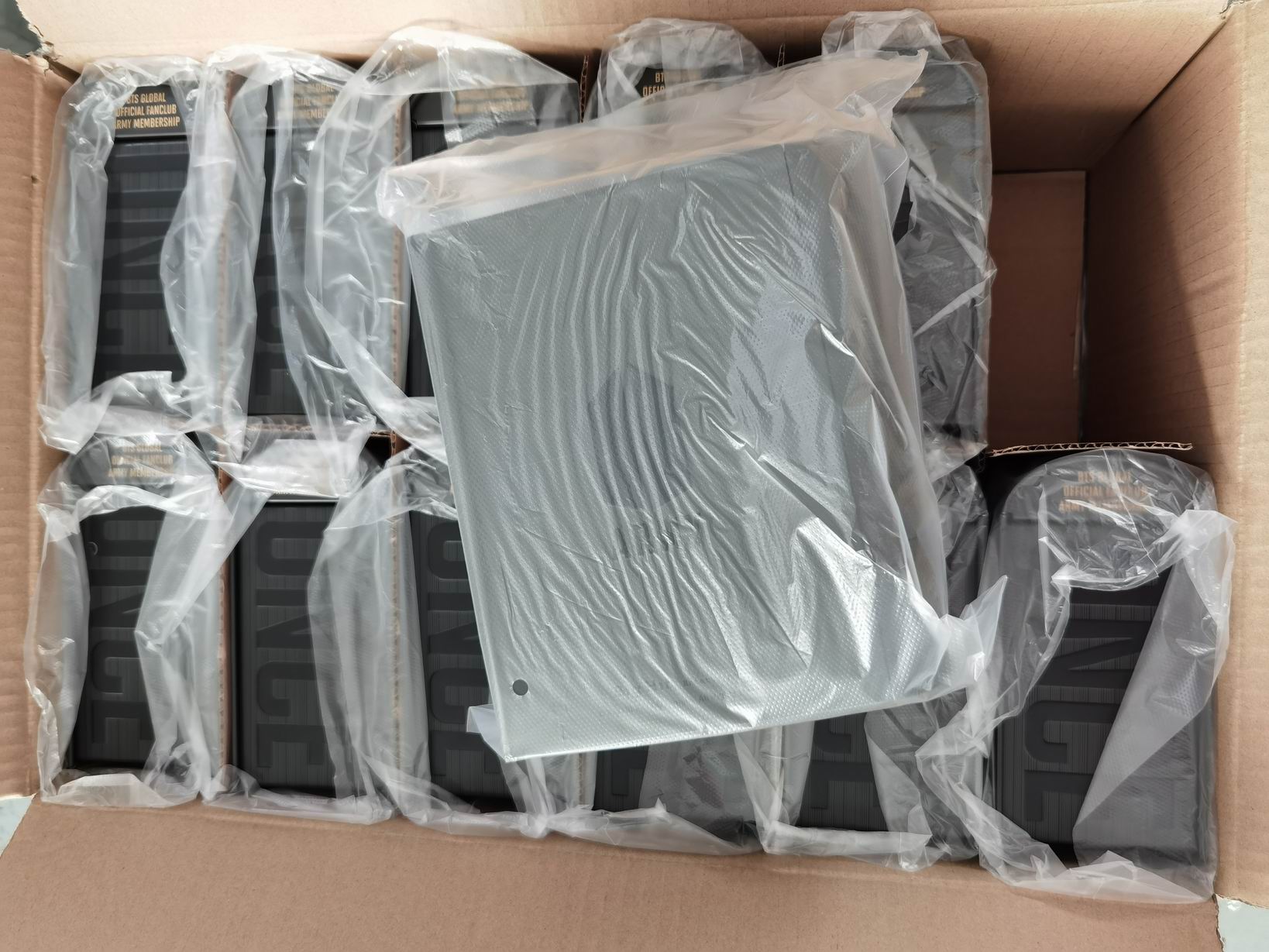
Individual polybag protection
Each tin can be packed in a clear polybag to reduce surface rubbing, fingerprints, and light scratches during carton handling.
Manufacturing process
Explore the complete factory workflow behind custom tin packaging: material selection, artwork proofing, printing, stamping, assembly, inspection, and protective packing for shipment.
Manufacturing Workflow
Follow the six core steps used to turn approved artwork and selected tinplate into finished custom tin packaging ready for export.
Project value
For importers and brand owners, the process matters as much as the final product photo. Huaiyang Metal controls material, artwork, printing, forming, hand assembly, and packing before export.
Thickness, temper, coating direction, and product use are checked before printing and forming.
Artwork and color expectations are confirmed before production moves into bulk printing.
Stamping and assembly steps control shape, lid fit, hinge feel, and visible surface quality.
Finished tins are protected, counted, packed, and prepared for inspection and delivery.
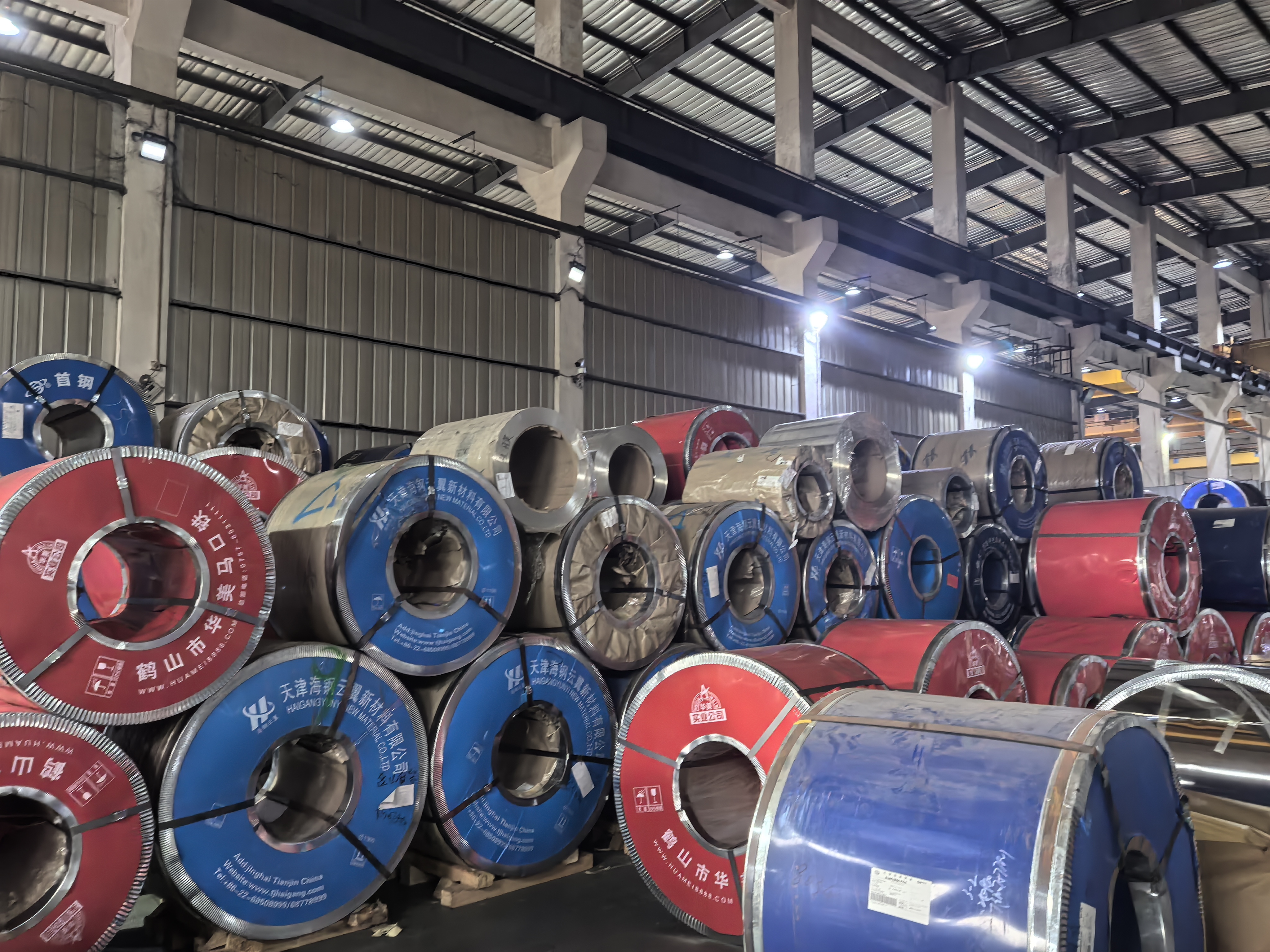
The process starts with selecting tinplate according to product use, tin size, lid structure, and forming requirements.
Stable material quality helps ensure food-contact safety, structure strength, and consistent production.
Artwork is checked against print position, bleed, lid direction, color target, and finishing requirements before mass production.
Accurate proofing reduces printing errors and helps brands confirm colors, logos, and finishing details before mass production.
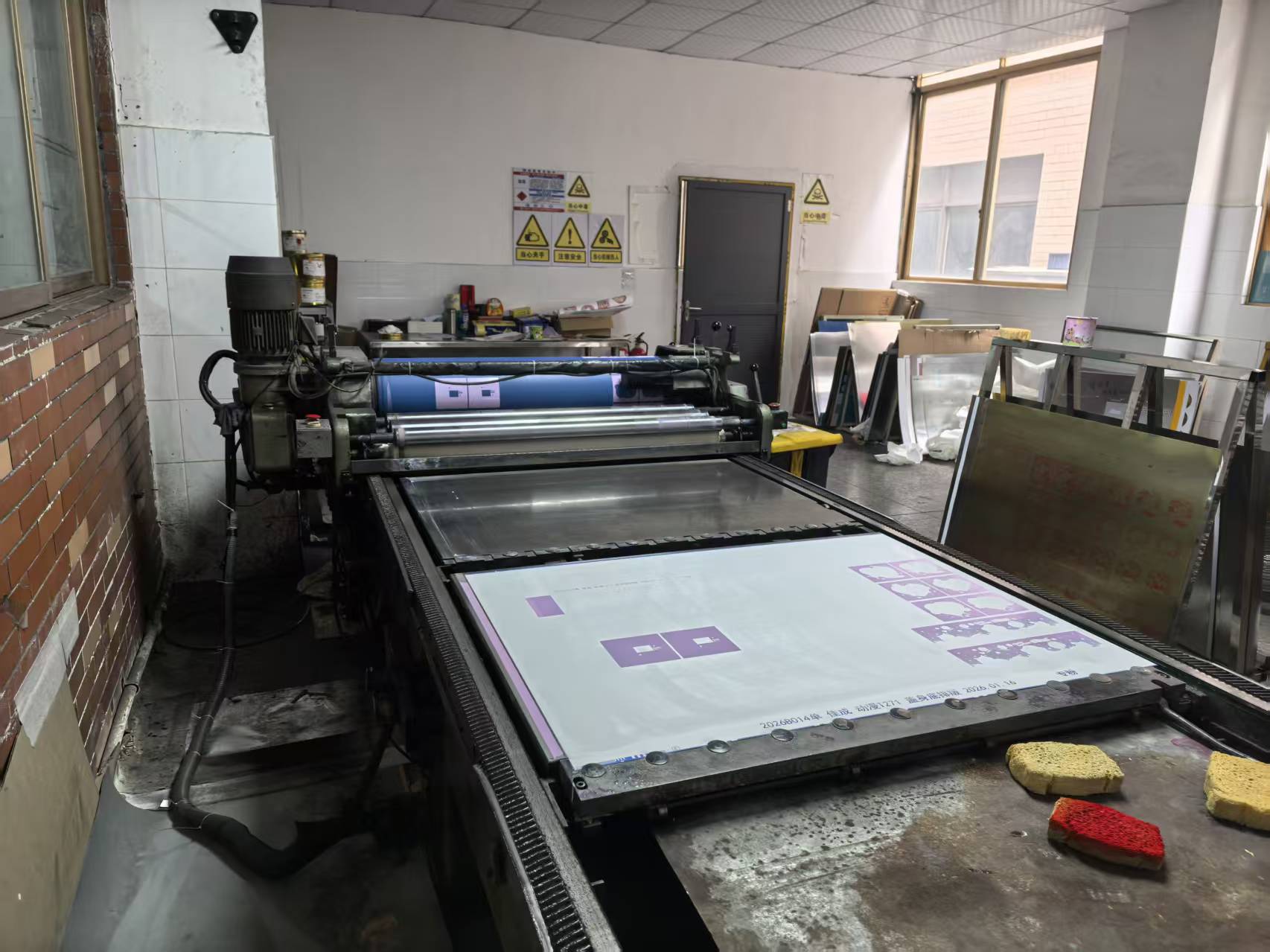
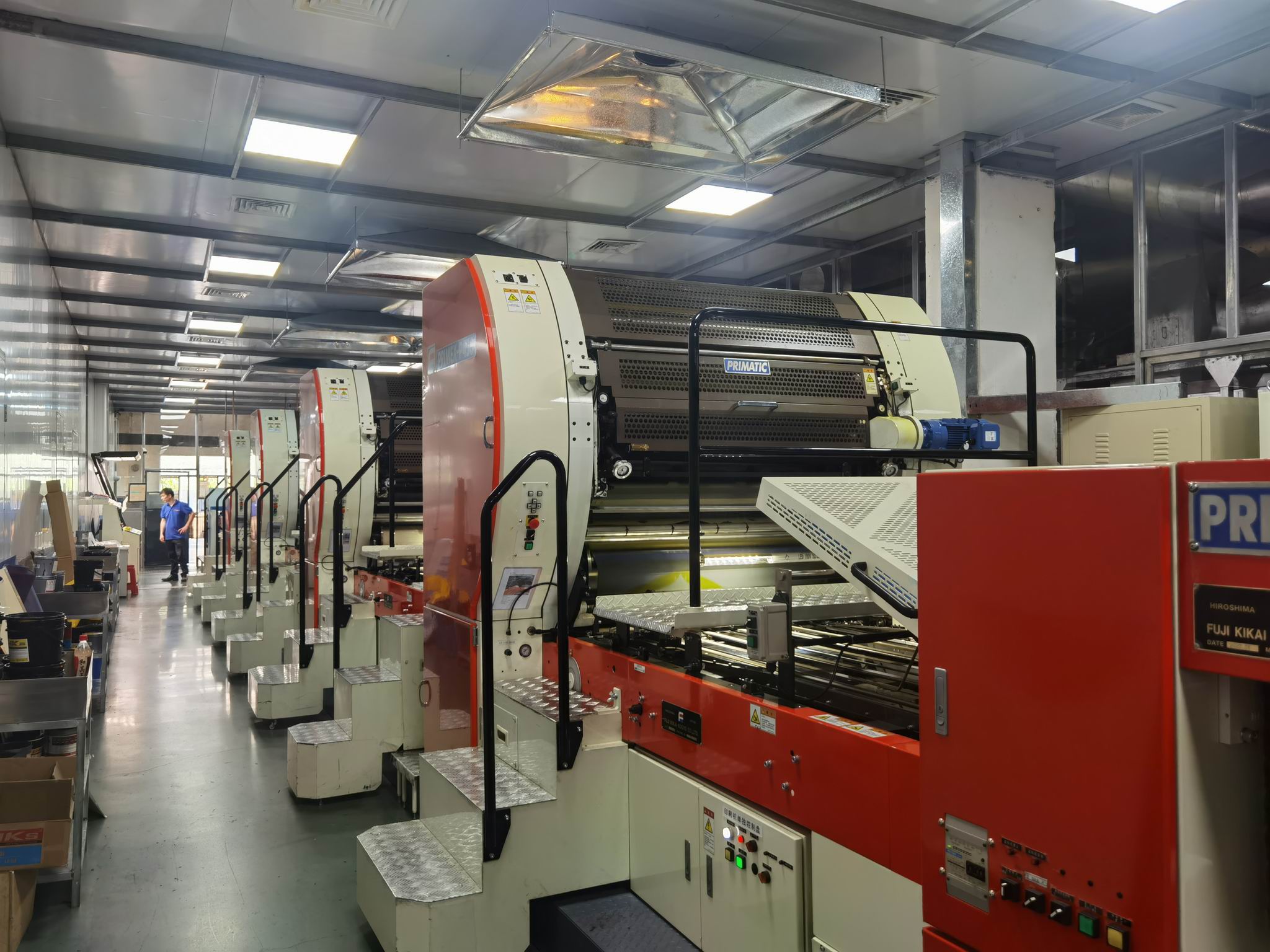
Approved artwork is printed on flat tinplate sheets before cutting and forming. Print control affects final color, registration, varnish, and shelf appearance.
Consistent offset printing helps maintain brand color accuracy across production batches.
Color consistency, surface finish, and print alignment are checked before the next production step.
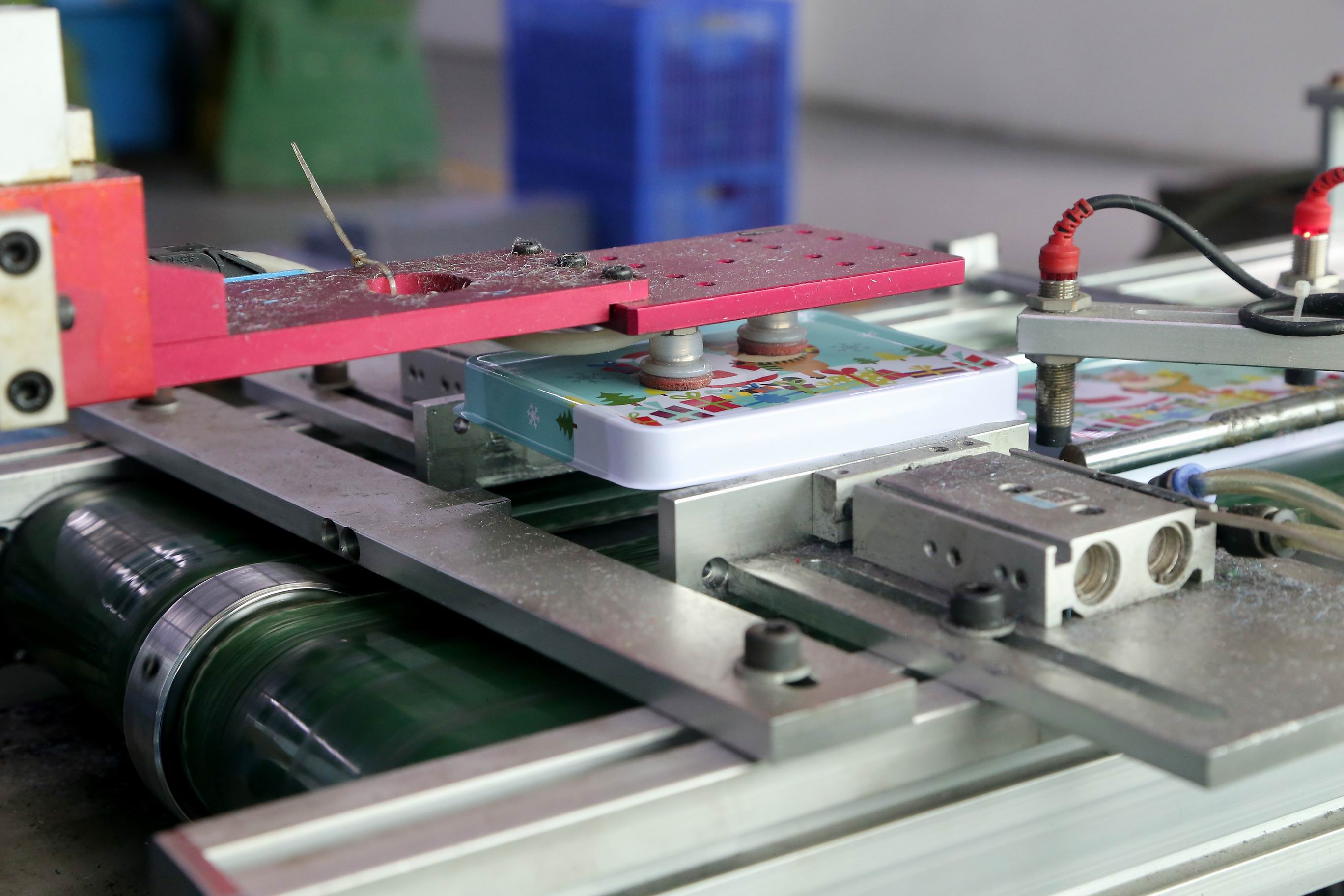
Printed sheets are cut and formed with tooling to create lids, bodies, corners, edges, and special-shaped tin structures.
Precision forming improves lid fitting, shape consistency, and final product appearance.
Shape accuracy, lid fitting, and edge safety are checked before assembly.
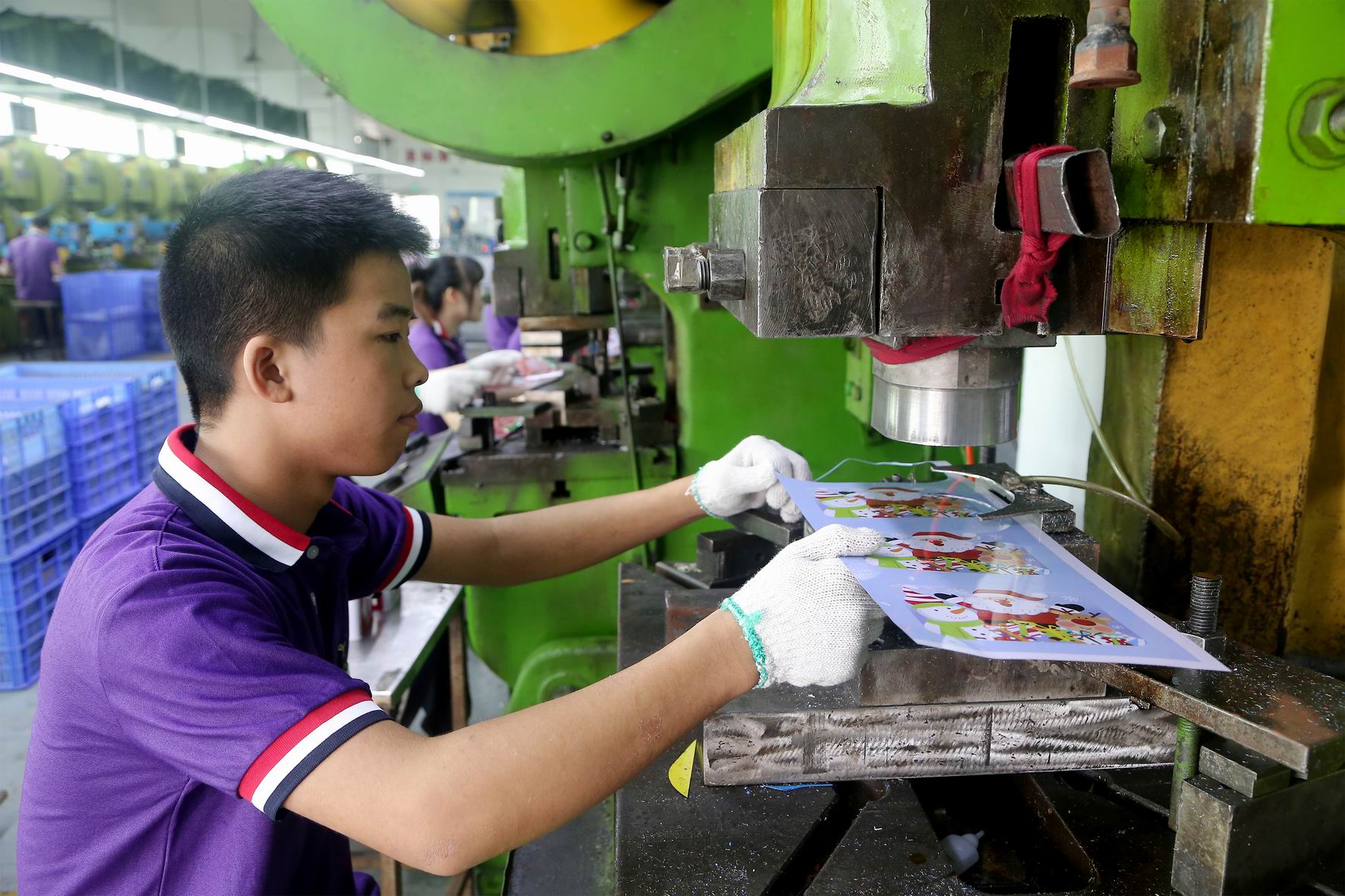
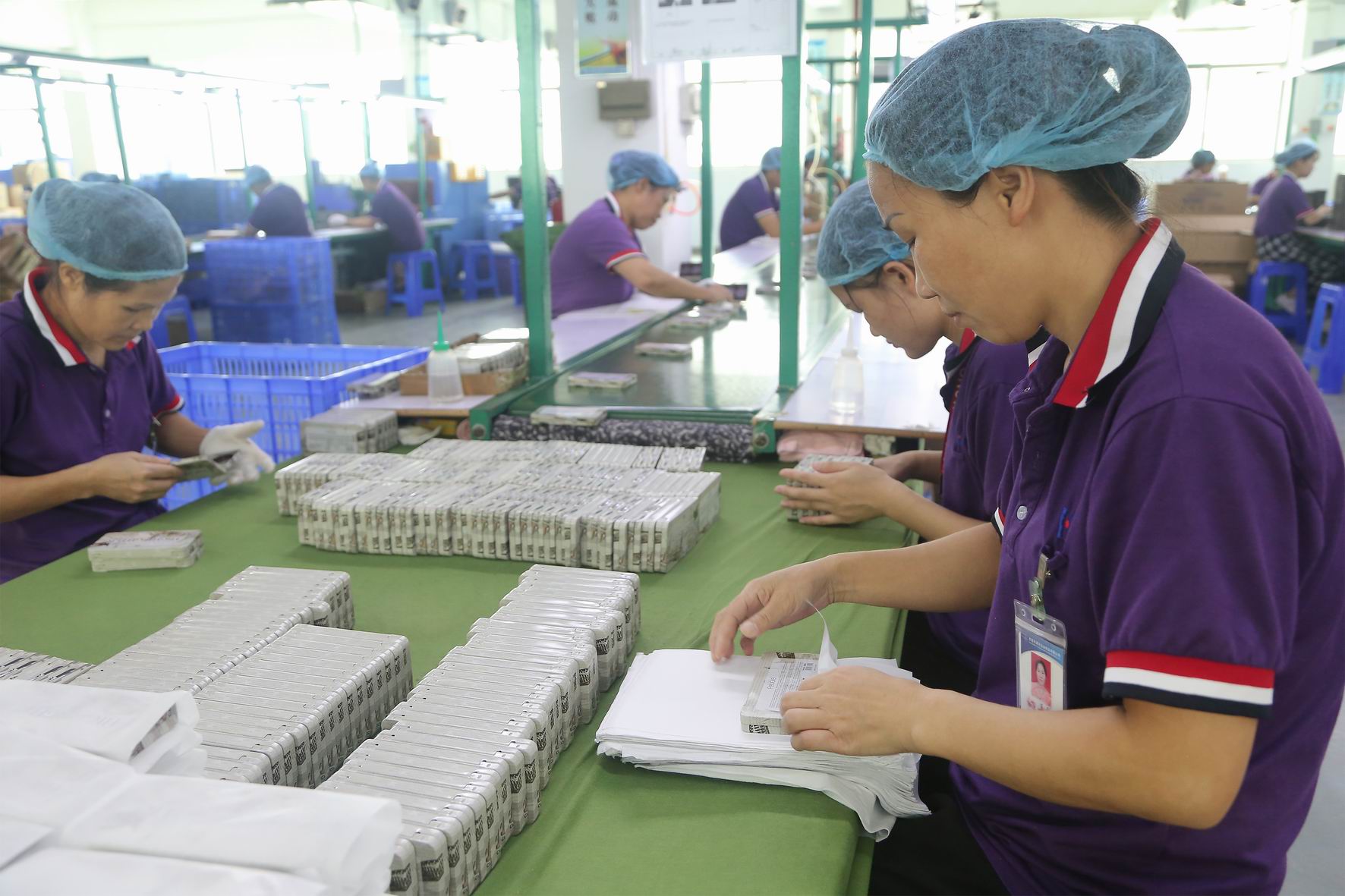
Operators complete assembly, lid or hinge fitting, surface review, and handling checks before finished tins move to packing.
Careful assembly and inspection help reduce defects before packing and shipment.
Finished tins are counted, protected, packed into cartons, and prepared for export handling before shipment.
Export-ready packing helps reduce transit damage during international shipping.
Final appearance, packing quantity, carton labels, and export documents are checked before shipment.
Export packing protection
Custom tin boxes are easy to scratch or dent if packing is not planned properly. Huaiyang Metal selects suitable inner protection, export cartons, palletizing, and container loading methods according to tin shape, surface finish, order quantity, and destination requirements.
Each tin can be packed in a clear polybag to reduce surface rubbing, fingerprints, and light scratches during carton handling.
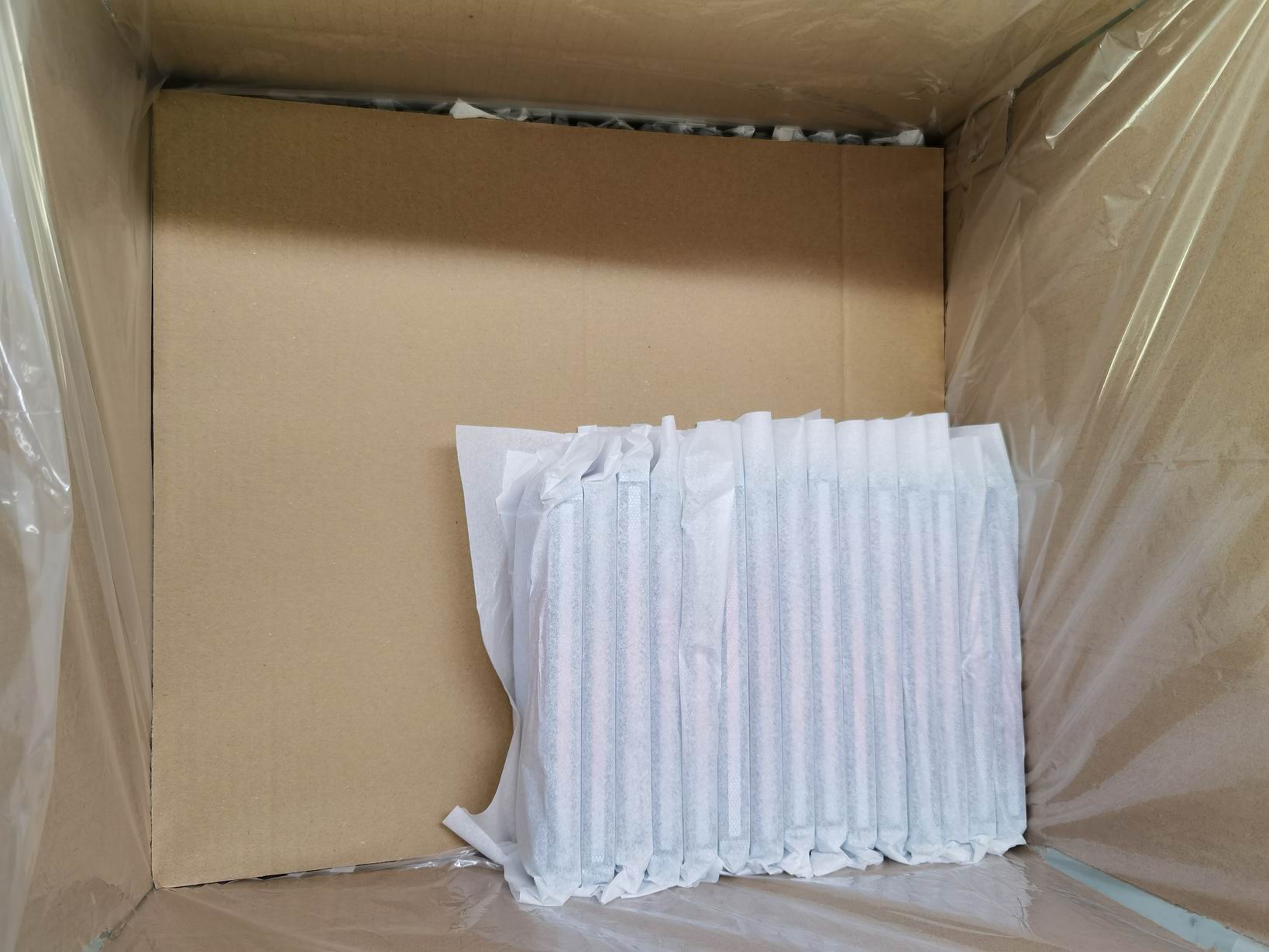
Tissue wrapping is suitable for glossy, matte, metallic, or premium printed tins that need cleaner surface protection before final packing.
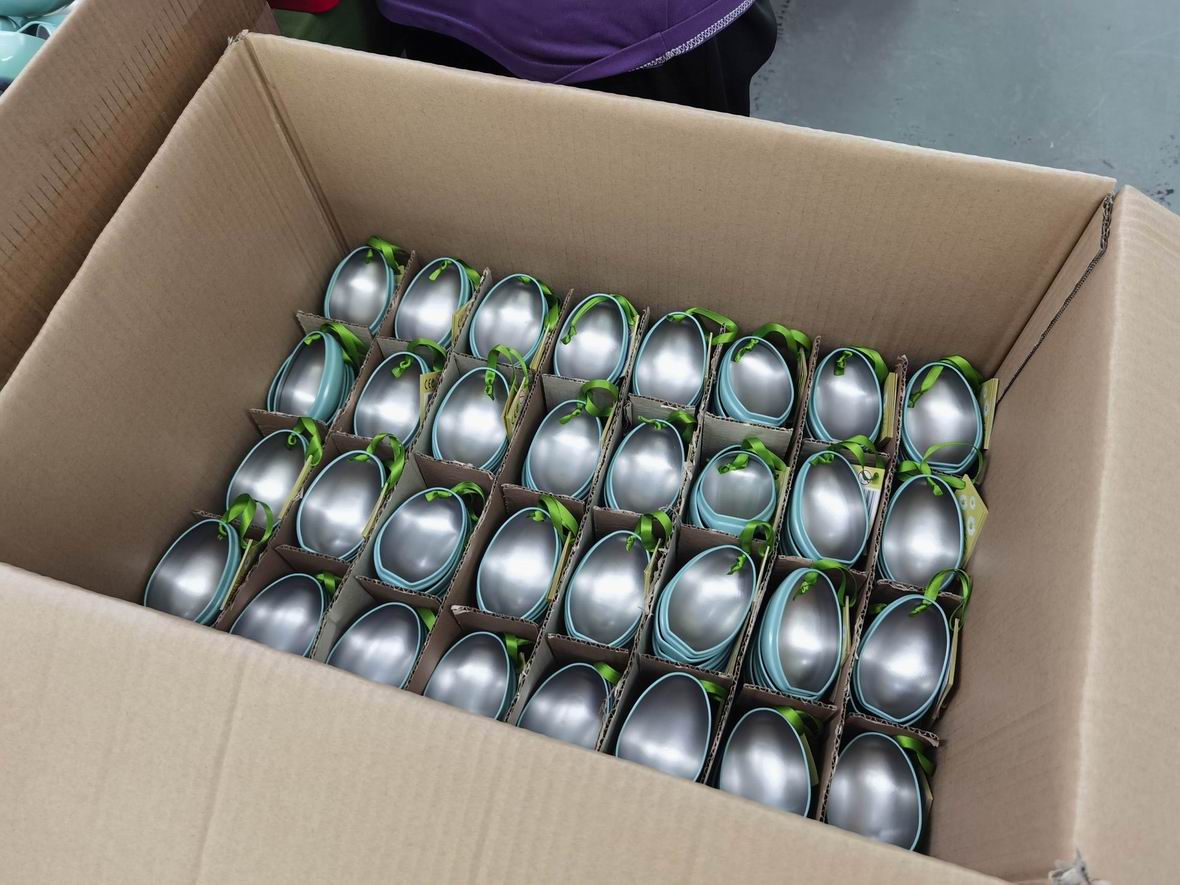
Paperboard dividers separate each tin inside the carton, helping prevent friction, edge damage, and movement during transport.
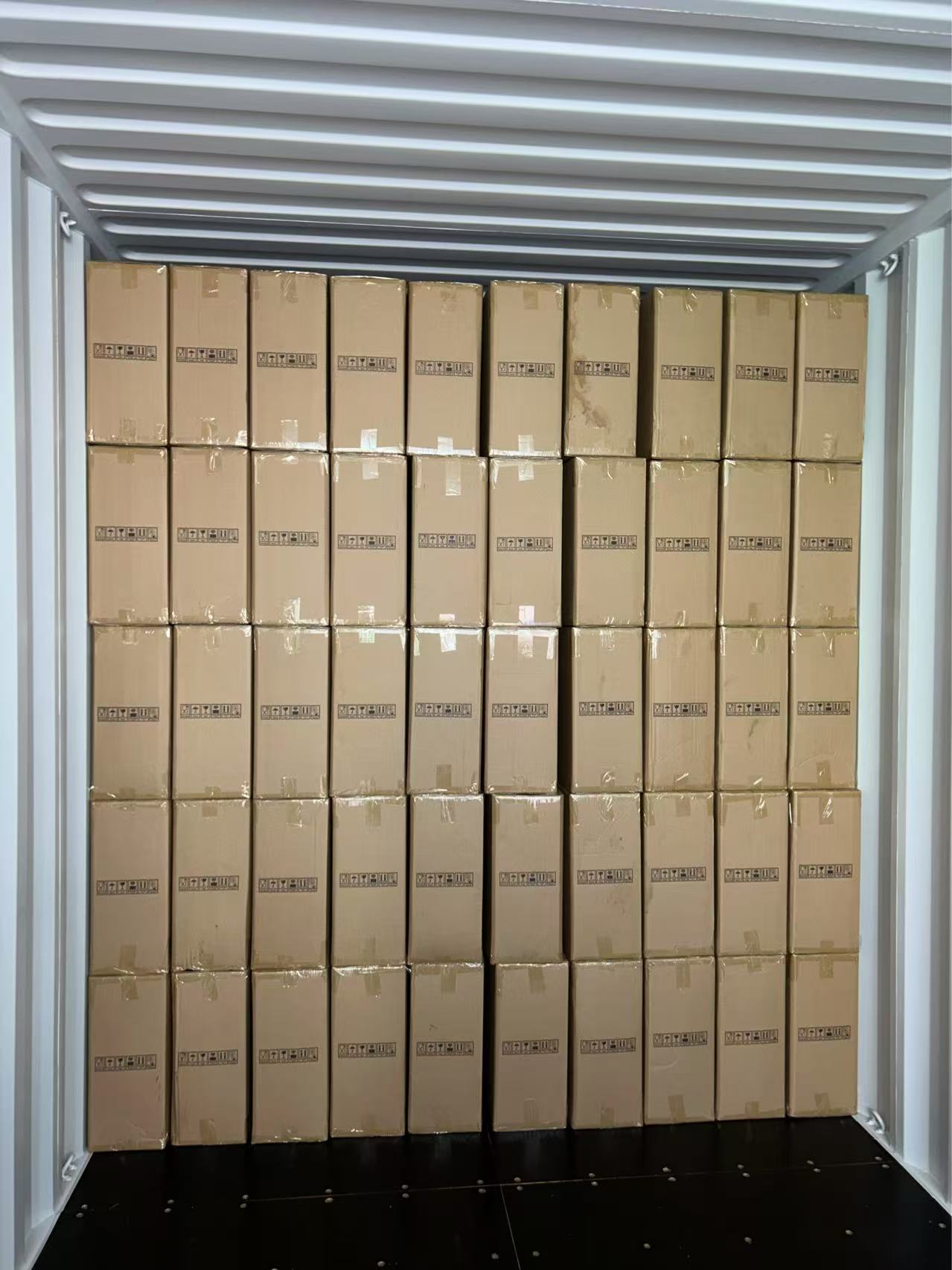
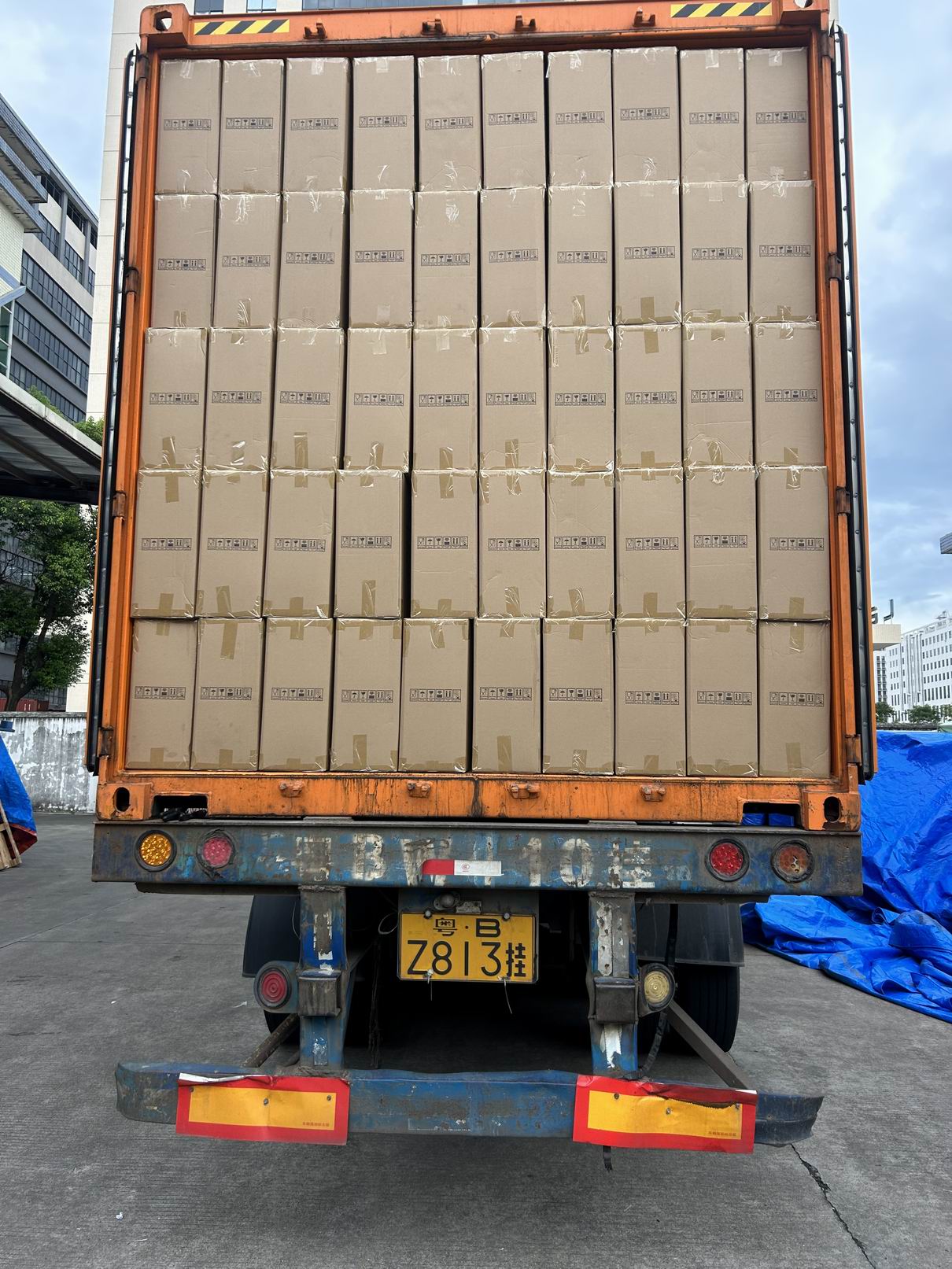
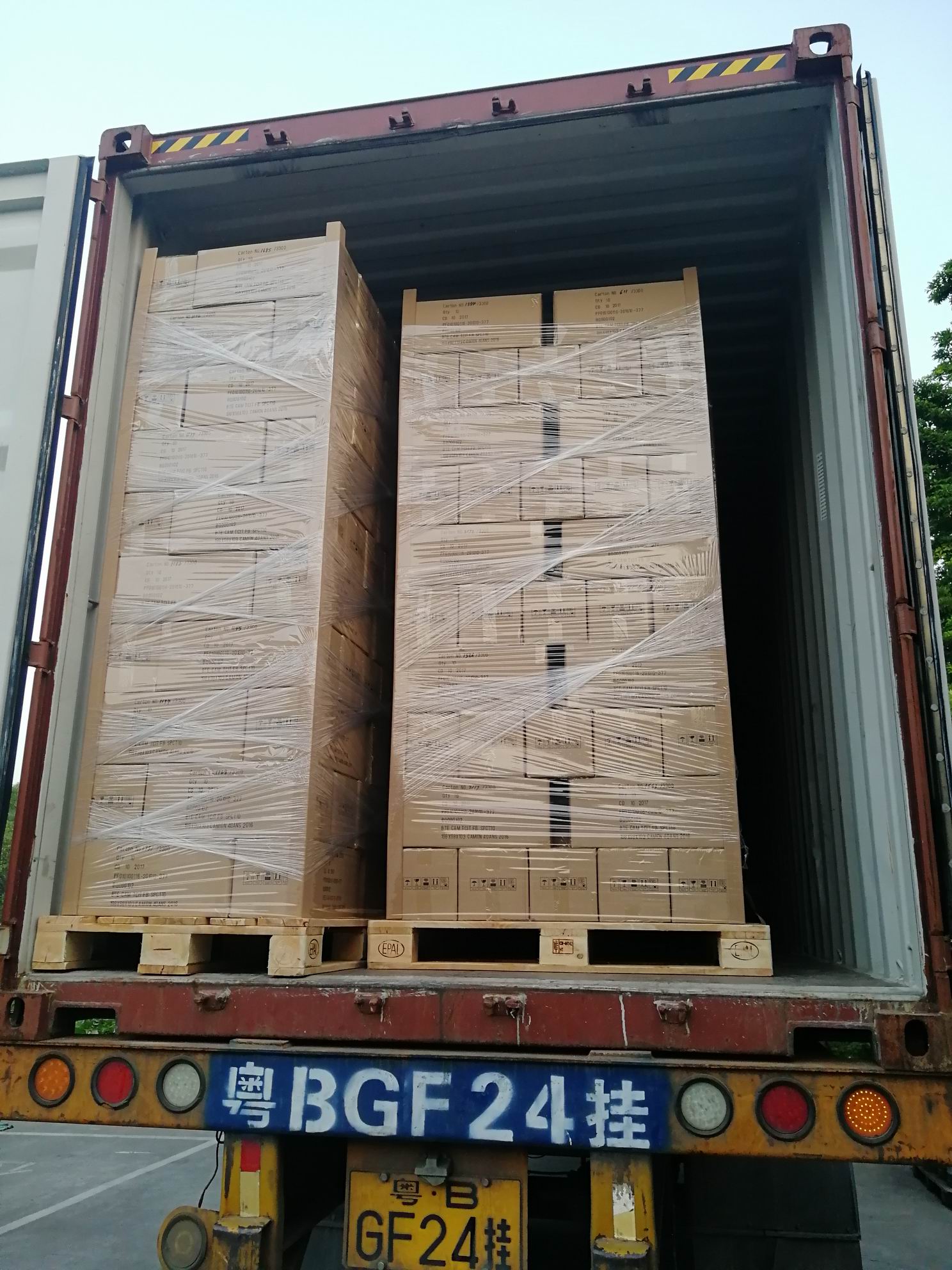
Export cartons can be arranged directly inside the container in an orderly loading pattern, or packed and secured on pallets before container loading. Both methods are common container loading options, selected according to order volume, carton size, destination handling, and customer requirements.
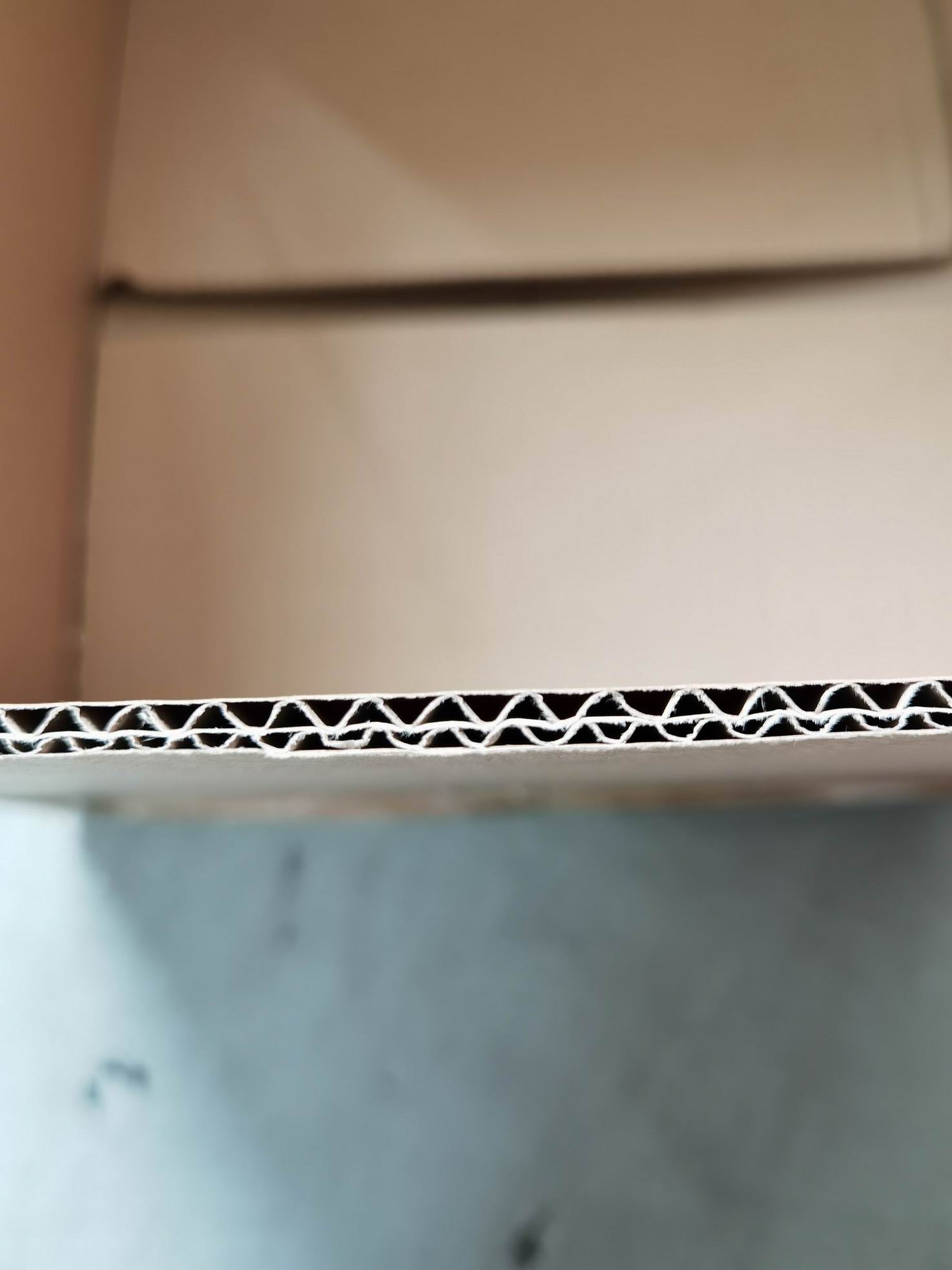
Double-wall cartons provide stronger compression resistance for bulk tin packaging shipments.
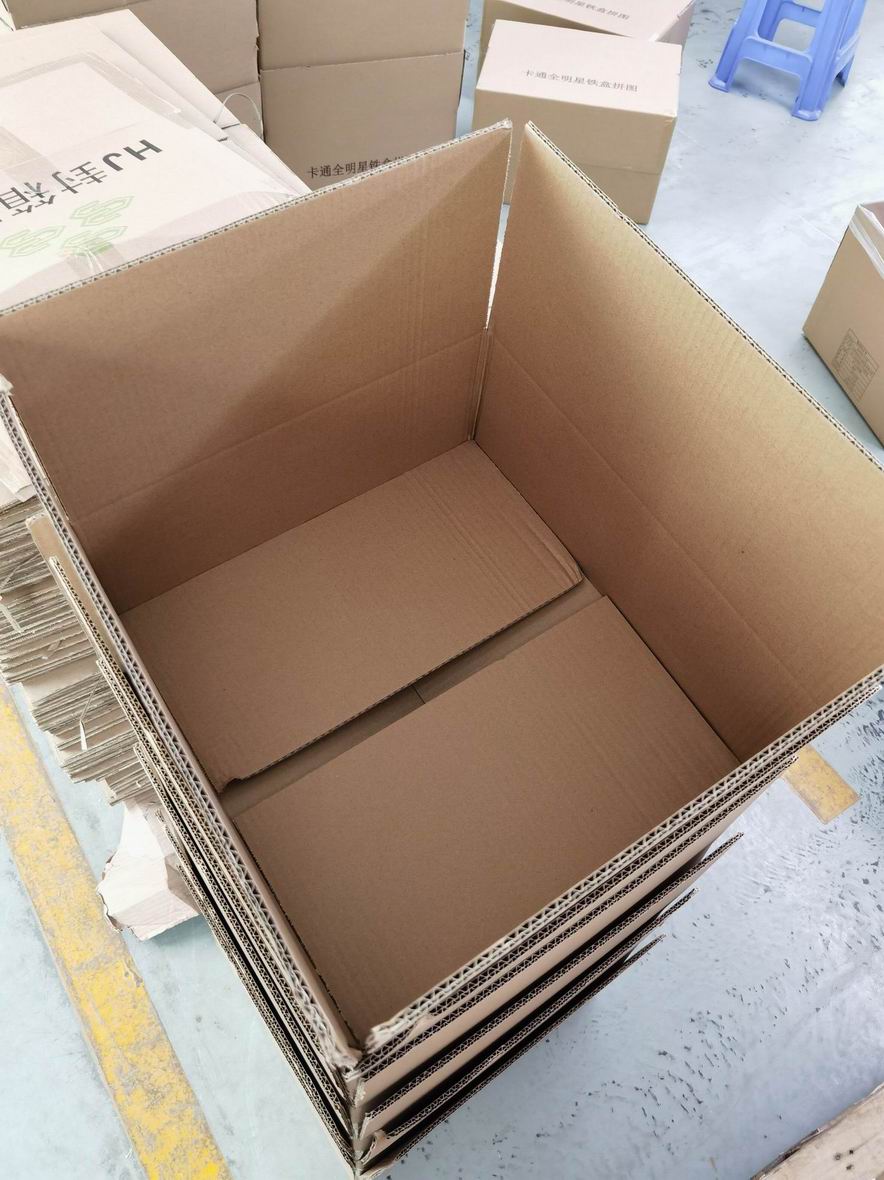
Carton dimensions and packing quantity are planned around tin size, protection method, and destination handling needs.
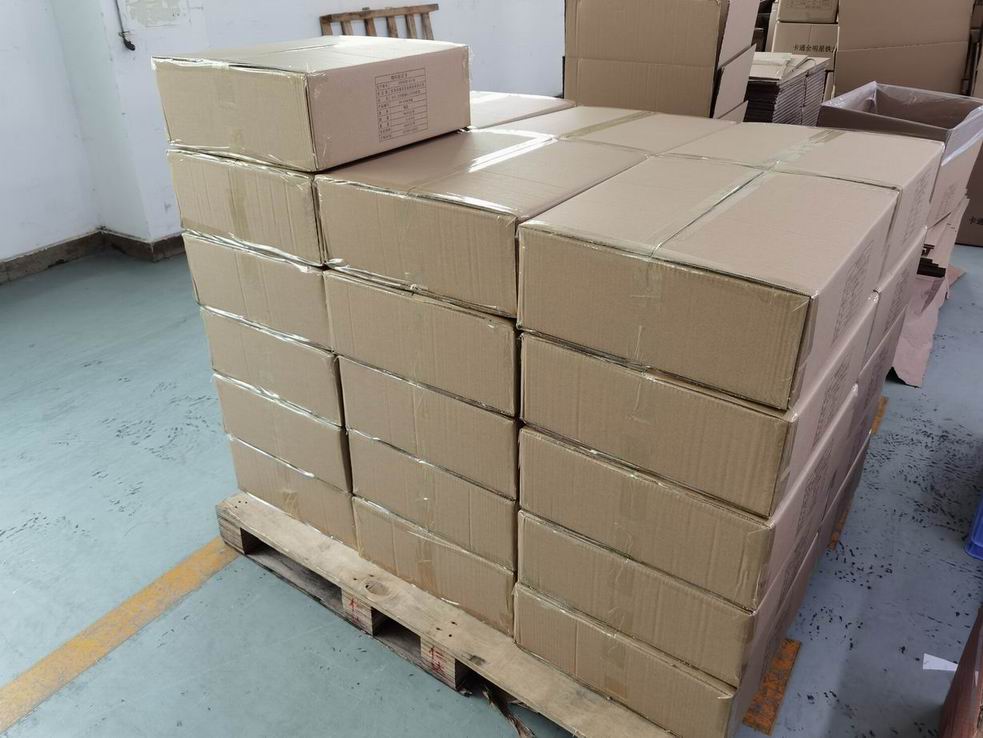
Cartons can be stacked on pallets when warehouse receiving, forklift handling, or retailer logistics require pallet delivery.
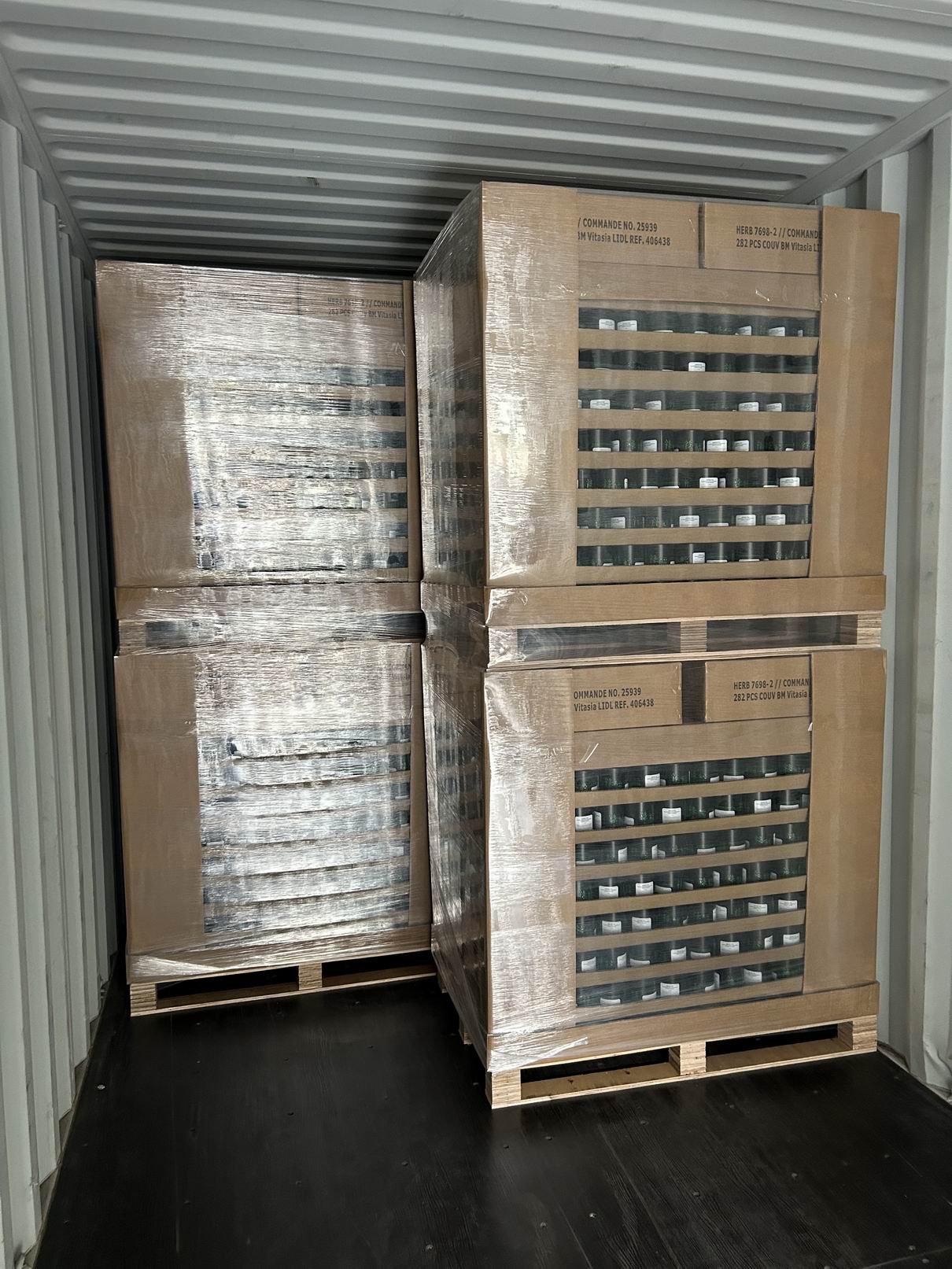
Palletized goods can be loaded directly into the container according to customer logistics and unloading requirements.
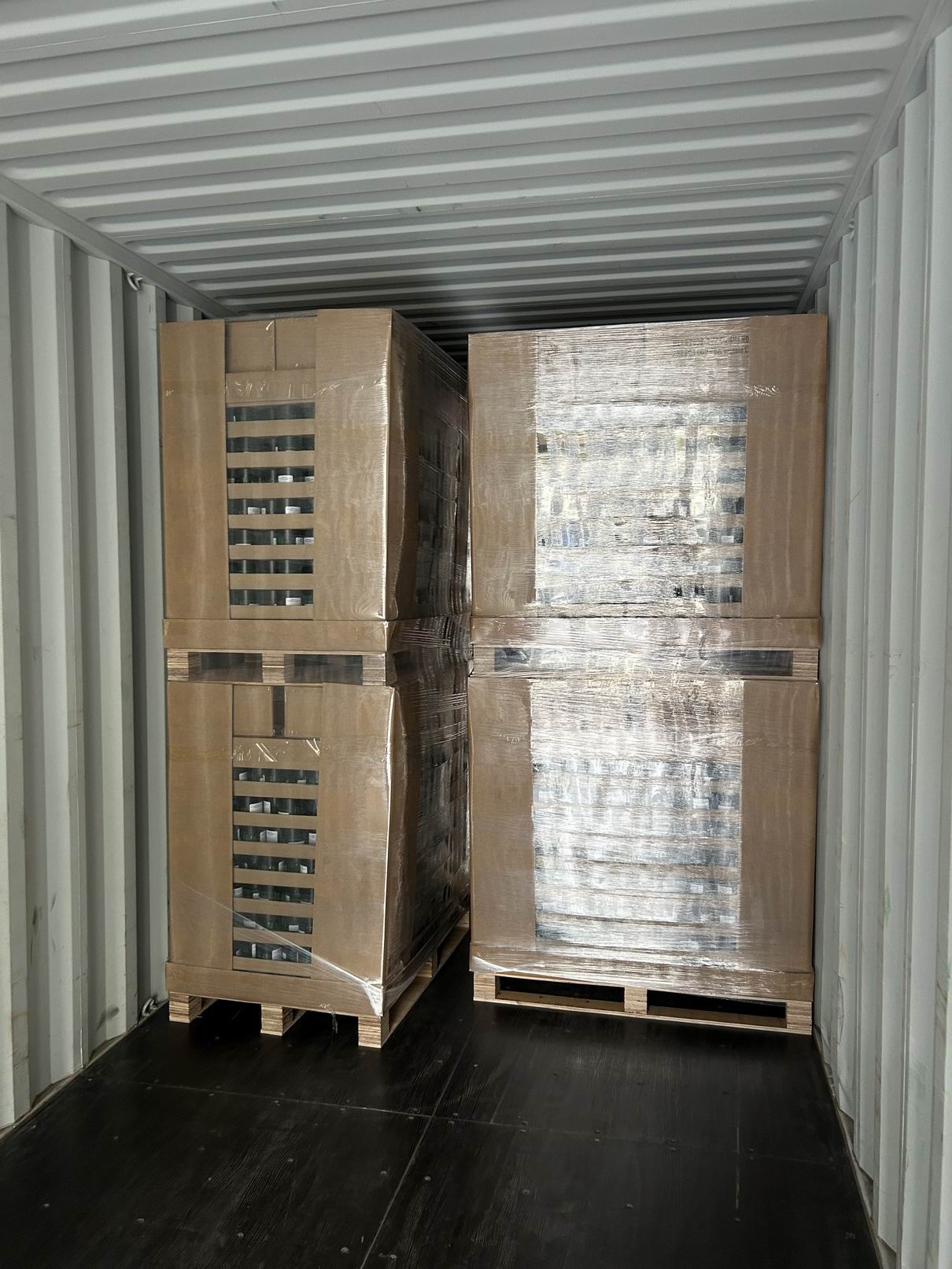
Pallet arrangement is reviewed to balance loading efficiency, carton stability, and destination warehouse handling.
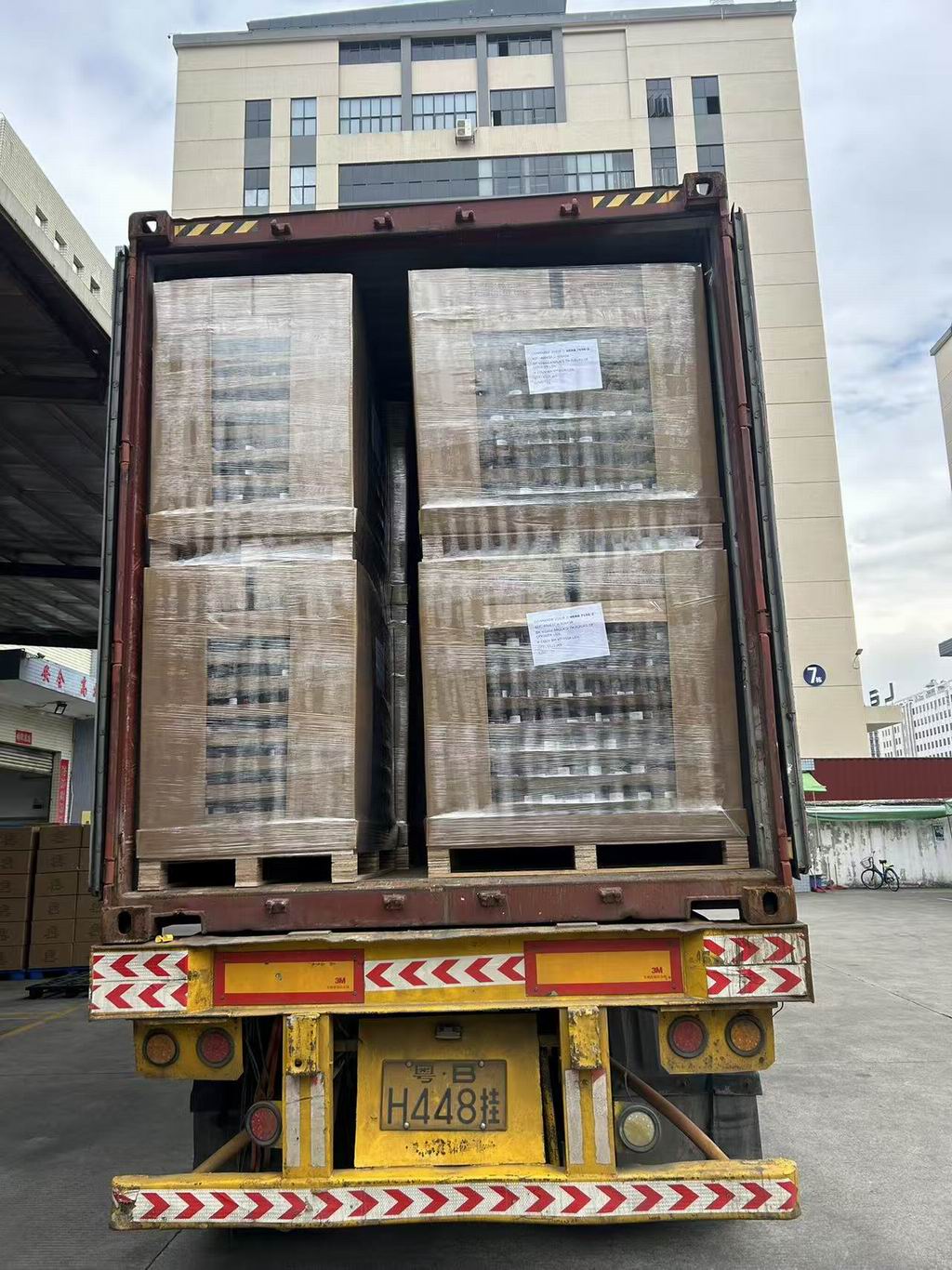
Wrapped pallets help keep cartons organized before container loading, inspection, and export handover.
Factory production capability
Integrated production keeps artwork, structure, sampling, bulk production, quality checking, and export packing coordinated through one factory team.
Manufacturing feedback
Send your artwork, dimensions, quantity, and target market for production evaluation.
 Chat with Factory on WhatsApp